
Loading...
Serving State College, PA and surrounding areas. (814) 996-0130
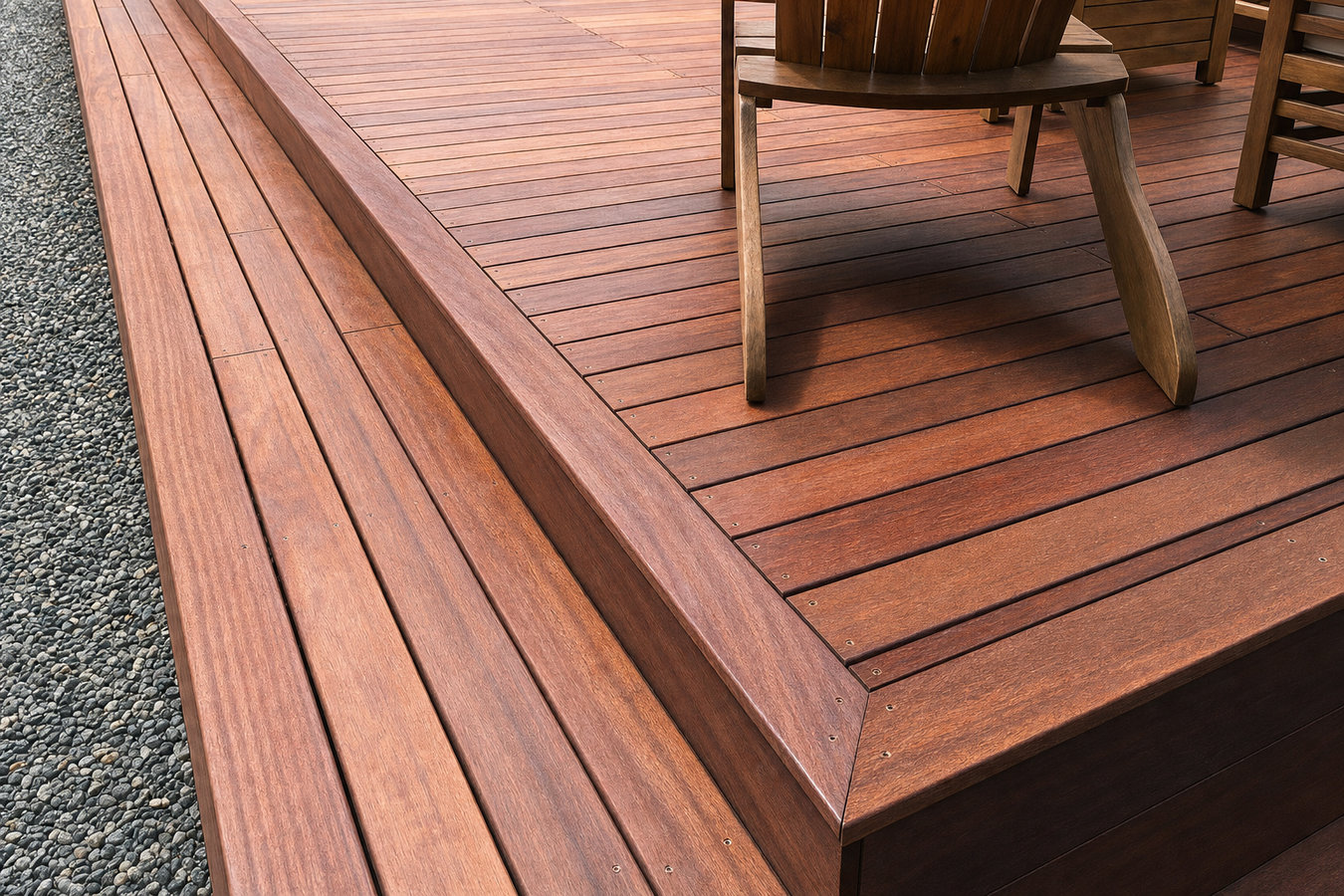
You want a real outdoor space - not one that warps, rots, or pulls away from your house after a few winters. Cedar gives you natural durability and a warm look that holds up through State College weather.
Cedar wood deck construction in State College means setting posts in concrete footings deep enough to survive Centre County winters, framing with properly sized beams and joists, and laying western red cedar boards that resist rot and moisture without chemical treatment. Most single-level residential decks take one to two weeks from first day of work to final walkthrough.
A lot of homes in the townships around State College - College, Ferguson, Patton - were built in the 1960s through 1980s without any deck at all. If you have been making do with a concrete stoop, cedar deck construction is the straightforward fix. If your existing deck is already showing wear, take a look at our deck repair and replacement service before committing to a full new build - sometimes the right call is a repair instead.
Either way, the first step is the same: we come look at your yard, take measurements, and give you a written estimate so you know exactly what you are working with before anything starts.
Walk slowly across your deck and pay attention to how the boards feel. If any spot gives slightly under your weight or makes a dull thud instead of a solid sound, the wood may have rotted from the inside. In State College's climate, where decks go through repeated freeze-thaw cycles and heavy snow seasons, this kind of rot can develop faster than homeowners expect.
Stand at the edge of your deck and push firmly on the railing. It should feel completely immovable. If it wobbles, sways, or feels loose at the post connections, the railing is no longer safe - especially for children or guests who might lean against it. This is one of the most common failure points on aging decks.
Look at the posts that hold your deck up - they should be perfectly vertical. If any post is leaning, or if you can see a gap between the ledger board and your house's wall, the structural foundation has failed. This often happens when footings were not set deep enough to survive State College's frost cycles, and it is a safety issue beyond cosmetic repair.
Many homes in State College's established neighborhoods were built in the 1960s through 1980s and simply do not have a deck or patio. If you have been making do with a small concrete stoop and want a real outdoor space for entertaining during warm-weather months, that is a straightforward case for new cedar deck construction.
We build custom cedar decks from the ground up - single-level platforms, decks with stairs and built-in benches, and structures designed for sloped or wooded lots common throughout State College's surrounding townships. Every project starts with frost-depth footings, a properly sized frame, and cedar boards spaced to let water drain rather than pool. If your design calls for something beyond a basic platform, you may also want to consider pressure-treated wood deck construction as an alternative that costs less upfront while still meeting all structural requirements.
After your cedar deck is built, keeping it looking its best is straightforward with periodic cleaning and sealing. We also handle deck repair and replacement if an existing structure needs attention before you invest in new construction. Every project we take on comes with a permit application handled on your behalf and a written estimate before a single board goes down.
Suits homeowners who want a clean, low-maintenance outdoor platform with a warm natural look.
Suits yards with grade changes or homes where the main living level sits above ground level.
Suits homeowners who want benches, planters, or pergola-ready framing integrated into the original build.
Suits homeowners replacing an aging deck and wanting a natural wood alternative to composite materials.
State College sits in the Nittany Valley surrounded by Appalachian ridges, and winters here put outdoor structures through a real test. The ground freezes to a significant depth each season - typically 36 to 42 inches in Centre County - and any post set above that depth will gradually shift as the ground heaves and thaws. That is why footing depth matters more here than almost any other factor. Many homes in Boalsburg and the surrounding townships sit on sloped or wooded lots where drainage and tree root interference also affect where footings can be placed - factors we account for in every design.
The Penn State campus area creates another local reality: contractor availability in State College is tightest between May and August, when landlords and homeowners both schedule warm-weather projects. Homeowners in Penns Valley and other areas a bit further from campus often find it easier to book spring or fall slots before the summer rush locks up local contractor schedules. Reaching out in February or March gives you the best chance of getting your preferred start date - any reputable deck building company running a full schedule will tell you the same. Cedar handles construction in cooler temperatures without any issue, so a fall build is a genuinely good option here.
We reply within one business day. We will ask a few basic questions about your yard and what you have in mind, then schedule a free on-site visit to measure the space and talk through your options before putting together a written estimate.
Once you agree on a design and price, we prepare drawings and submit the permit application to your Centre County municipality - State College Borough, Ferguson Township, or wherever your property sits. The permit process typically takes one to three weeks, and we handle all of it.
We dig the footing holes to the required depth, pour concrete, and set the posts - the building inspector will check the footings before we pour. Once the footings cure, we build the frame and lay the cedar boards, install stairs, and complete the railings.
After the final building inspection passes, we walk the finished deck with you - checking railings, pointing out how to care for the cedar, and answering any questions. You receive a copy of the passed inspection for your records.
Free estimate, no obligation. We handle permits and inspections start to finish.
(814) 996-0130We set footings to the Centre County frost line on every job - not as an upgrade, but as a baseline. A deck that shifts or leans after the first winter is a structural failure, and we build to prevent it from the start.
We apply for the permit, coordinate the inspections, and give you a copy of the passed inspection when the project is done. That documentation protects your home's value when you sell - and it means no surprises in a title search.
We have built cedar decks on sloped lots, wooded properties, and older homes throughout the townships surrounding State College. We know the local permit offices, the soil conditions, and the design adjustments those lots require.
Every project starts with a detailed written estimate that spells out materials, labor, and permit fees before we break ground. The North American Deck and Railing Association recommends this as a baseline standard, and we hold to it on every job.
Cedar deck construction done right is a long-term investment - one that holds up through State College winters and adds real value to your property. Those results come from getting the structural details right the first time, and that is where we focus. NADRA sets the standards for professional deck builders, and we build to those standards on every project.
If your existing deck has structural issues or failing boards, repair or replacement may be the right first step before investing in new cedar construction.
Learn MoreA lower upfront cost option that meets the same structural standards and works well for homeowners who plan to paint or stain.
Learn MoreState College contractors book up fast once spring arrives - reach out now to lock in your project before the schedule fills.