
Loading...
Serving State College, PA and surrounding areas. (814) 996-0130
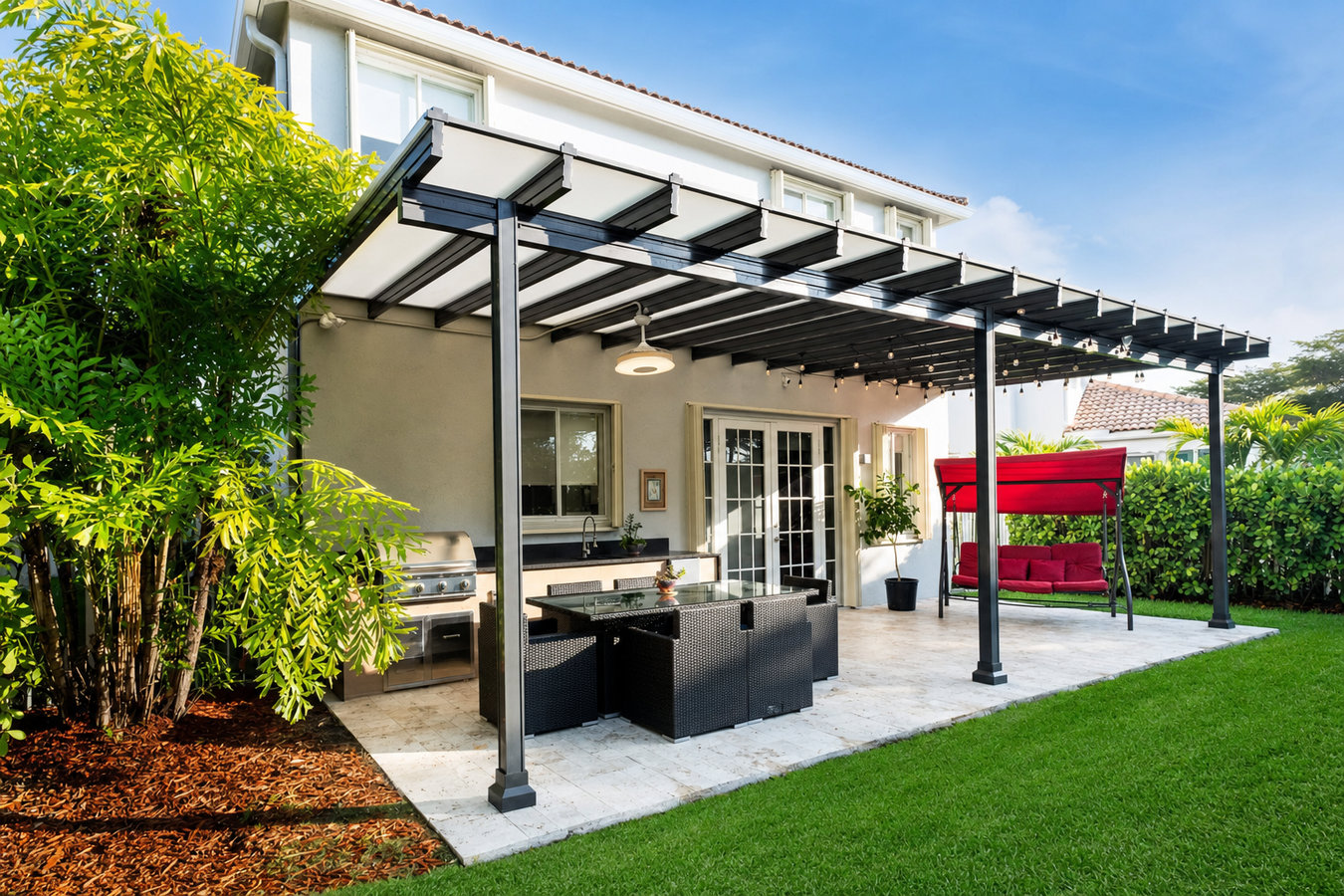
Stop losing half your outdoor season to rain, heat, or Pennsylvania weather. We build covered decks and patio covers that extend your outdoor living from early spring through late fall.
Covered decks and patio covers in State College give you a permanently roofed outdoor room attached to your home. Most projects take one to three weeks of active construction, whether you are adding a roof over an existing deck or building a new covered structure from scratch.
State College homeowners get a relatively short window of comfortable outdoor weather - roughly May through October - and unpredictable spring rain cuts that window even shorter. A covered deck changes the calculation. You can have coffee outside on a rainy April morning. You can host a cookout without watching the radar. And when summer afternoons get hot, a shaded outdoor room is the difference between using your backyard and ignoring it. If you want to go further and keep insects out as well, adding screening to a covered structure - as part of our screened porch and screened deck service - is often easier and less expensive when done at the same time.
If your deck sits empty most of the summer because it is too hot in the afternoon or gets rained on, a cover would change how you live in your home. State College gets around 40 inches of rain per year, and an uncovered deck is genuinely hard to use for much of the spring and fall.
Boards that are soft underfoot, posts that look like they have shifted, or gaps opening between boards are all signs of freeze-thaw damage. Adding a cover now - after a structural check - protects the deck surface from further weathering and extends its useful life significantly.
If you replace cushions, covers, or furniture every year or two because they are fading, cracking, or growing mold, a covered structure would protect that investment. Shaded, rain-protected surfaces stay cleaner and last years longer than furniture sitting in full weather exposure.
In a market like State College - where homes turn over regularly due to university faculty, staff, and professional buyers - a well-built covered deck is a visible upgrade that photographs well. A backyard with nothing to show leaves money on the table when you list.
We build attached patio covers that connect directly to your house, new covered deck builds where the deck and roof go up together, and roof additions over existing structurally sound decks. The right approach depends on what you already have and what you want to end up with. If a covered structure is your starting point but you are also considering a standalone outdoor room with more shade and style, our pergola installation service is worth comparing. And if complete insect protection matters to you, a screened-in porch or screened deck builds on a covered structure and adds screening to keep bugs out entirely.
Roofing material is one of the most visible choices you will make. Metal panels are durable and low-maintenance. Asphalt shingles blend in with your home. Polycarbonate panels let in natural light - useful on north-facing porches - but can yellow over years. Every covered deck needs proper drainage: a slight pitch to move water away from the house and drip edges or gutters to control where it goes. Water management that is ignored during design becomes a siding and framing problem later, so we address it upfront.
Best for homeowners who want weather protection tied directly to the house, sharing the home's wall for structural support.
Best for homeowners who want a new deck and cover built together as one cohesive outdoor room from the ground up.
Best for homeowners with a structurally sound existing deck who want to add weather protection without rebuilding the whole structure.
State College winters are long and hard on outdoor structures. The area sees around 45 inches of snow per year and temperatures well below freezing from November through March. Any covered deck roof built here has to be designed for that load - not for a milder climate. The frost line in Centre County sits at roughly 36 inches, which means footings that do not go deep enough will heave and shift every winter until the whole structure is out of level. Homeowners throughout the area, from those in the established neighborhoods of Port Matilda to newer builds in Centre Hall, are all dealing with the same freeze-thaw cycle every spring.
State College also has an active real estate market driven by Penn State University - faculty, staff, and professionals turn over homes regularly, and buyers here look carefully at what has and has not been done properly. A covered deck that was built with permits and inspections is on record and fully legal, which matters at closing. An unpermitted structure can stall a sale or become a last-minute negotiating chip for the buyer. Every project we build goes through the proper permit process so that problem never comes up.
A brief first conversation covers the size of your space, whether you have an existing deck, and your rough budget range. We reply within one business day and schedule a site visit - no pricing over the phone until we have seen your property.
We measure the space, check your existing deck if there is one, look at drainage and sun exposure, and assess how the house is framed. You receive a written estimate within a few days of the visit that breaks down exactly what is included.
Once you sign, we submit the building permit application to your municipality - Borough, Ferguson Township, or whichever jurisdiction covers your address. We track the application and update you when approval comes through, typically one to three weeks.
Footings go in first and cure before posts are set. The frame, roof structure, and finishing details follow. The local building inspector confirms the structural work at a key stage - your contractor coordinates the visit. Final walkthrough and cleanup close out the project.
Free estimate, written quote, no pressure. We reply within one business day and handle every permit from start to finish.
(814) 996-0130The ground in State College freezes to roughly 36 inches in a typical winter. We pour footings below that line on every project so posts stay plumb and the structure stays level through the full freeze-thaw cycle - year after year.
State College averages around 45 inches of snow per year. Every covered structure we build is framed to carry real snow load - the roof pitch, framing size, and post spacing are all sized for this climate, not a milder one.
A permitted covered deck is on record with your local government and has been inspected by an independent third party. That matters when you sell your home and when you file an insurance claim. We pull permits as a matter of course - you do not need to ask.
We build covered decks throughout the State College area - from older homes near campus to newer subdivisions in the surrounding townships. Knowing local permit offices, soil conditions, and housing stock is part of what makes our estimates accurate and our timelines reliable.
Building a covered deck correctly in central Pennsylvania means knowing the frost depth, the snow load, and the permit offices - none of which you can fake. When you combine proper footings with permitted framing and sound drainage design, you get a structure that functions well a decade from now, not just on the day the crew leaves. The American Wood Council publishes the deck construction standards our framing follows on every covered build.
Build a beautiful open-air structure for shade and style - a natural companion to a covered deck or a standalone backyard feature.
Learn MoreTake your covered outdoor space a step further with mesh screening that keeps insects out all season long.
Learn MoreCall us today or submit an estimate request online. We reply within one business day and handle permits from application to final inspection.