
Loading...
Serving State College, PA and surrounding areas. (814) 996-0130
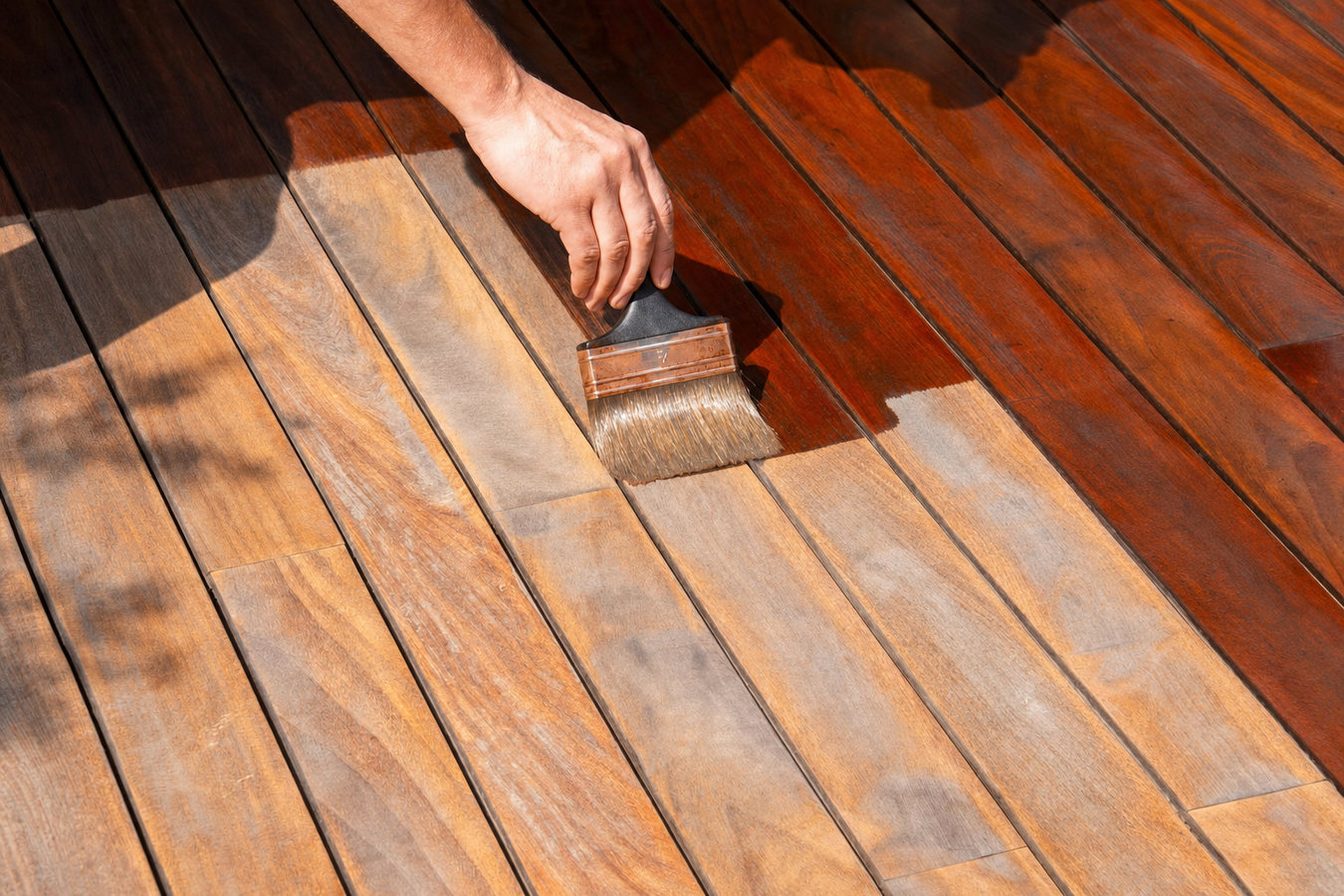
State College winters are hard on wood decks. We clean, prep, and seal your deck the right way - so it stays protected through freeze-thaw cycles and looks great all season.
Deck staining and sealing in State College means cleaning the surface, stripping old finish if needed, and applying a fresh coat of stain and sealer - most jobs take one to two days of work plus a 24-to-48-hour drying period before the deck is back in use.
Most wood decks in this climate need fresh protection every one to three years. State College sits in central Pennsylvania, where freeze-thaw cycles and heavy snowfall put real stress on any finish. A deck that was stained last year in a milder climate might already need attention here. If you can not remember the last time your deck was treated, or if you notice water soaking in instead of beading up on the boards, it is time to act before another winter cycle does more damage.
If your deck has boards that are cracked, soft, or showing signs of rot, staining alone will not fix the problem. In that case, you may want to start with our deck repair and replacement service before applying a fresh finish.
Splash a cup of water on your deck boards. If it soaks in within a minute or two rather than sitting on the surface in beads, the sealer has worn through. The wood is absorbing moisture unprotected, and every rain event is doing quiet damage.
When the finish breaks down, UV rays bleach the natural color from the wood and leave it looking dull or silvery. This is especially common on south-facing decks in State College. Gray wood is not necessarily damaged yet, but the protection is gone and the clock is ticking.
State College's wet springs and shaded yards create ideal conditions for mold and mildew. If you notice dark streaks or a slippery film on your boards after snowmelt, the finish has failed enough to let moisture sit on the wood. Cleaning and treating before new stain goes on is essential.
Peeling or flaking is a sign the finish has reached the end of its life - or that the original job was applied over wet or dirty wood. You often see this first along the edges of boards or around fasteners. Left alone, peeling finish traps moisture underneath and speeds up wood decay.
Every staining job starts with thorough preparation - pressure washing, scrubbing, and applying a wood brightener or cleaner to strip mold, old finish, and gray weathering from the surface. We do not skip this step. The prep work is the reason a good staining job lasts two to three years while a rushed one starts peeling in the first spring. After the wood is clean and fully dry, we apply the stain and sealer with brushes and rollers to work the product into every board, corner, and space under the railings.
We also offer pool deck construction for homeowners building new outdoor spaces, and deck repair and replacement for decks that need structural work before a finish can be applied. If your deck just needs to look its best and stay protected through the next few winters, the staining and sealing service is the right place to start.
Best for newer or well-maintained wood where you want to keep the grain visible - easier to recoat in future years.
A good choice for older or weathered wood that has lost its good looks - covers the grain completely for a clean, even finish.
Suits any deck that has not been maintained in a while - includes pressure washing, mold treatment, and drying before any product goes on.
Ideal for newer cedar or pressure-treated decks that have good color and just need a protective top coat to resist moisture.
State College sits in central Pennsylvania, where temperatures drop well below freezing from November through March and the freeze-thaw cycle in late fall and early spring is relentless. Water seeps into wood fibers, freezes, expands, and slowly breaks the surface apart. A deck that went into last November without a proper seal is probably showing the damage now. Centre County also averages around 40 to 50 inches of snow per year, and decks near driveways or walkways pick up road salt on boots all winter - salt accelerates finish breakdown faster than most homeowners realize.
Many neighborhoods in State College - including streets near Penn State's campus and older established areas throughout the townships - have dense, mature tree cover. Shaded decks stay damp longer after rain, and fallen leaves left on the surface trap moisture against the wood for weeks. This means mold and mildew grow faster here than on decks in sunnier climates, and the cleaning step before staining is more important as a result. We serve homeowners across the area, from Philipsburg to Boalsburg, and we understand exactly what Central Pennsylvania weather does to a deck that isn't properly protected.
We'll ask about your deck's size, wood type, and when it was last treated. Most estimates require a quick in-person look so we can assess the condition and give you a number that separates prep from application - no surprises once work starts. Expect a reply within one business day.
Stain needs dry conditions and moderate temperatures - we'll work with you to find a window that fits the forecast. Good contractors reschedule for weather rather than push through and risk a bad result. In State College, the safe window runs roughly May through September.
The crew pressure washes, scrubs, and treats mold or mildew on the surface. After cleaning, the wood needs to dry completely - typically 24 to 48 hours - before stain goes on. Rushing past this step is the most common reason a staining job fails early.
Once the surface is clean and dry, we apply stain and sealer with brushes and rollers, working product into every board and corner. Before we leave, we'll walk the deck with you, note anything worth watching, and give you a clear timeline before furniture goes back on.
Free written estimate. No commitment. We reply within one business day.
(814) 996-0130The single biggest reason deck stain fails early is poor preparation - applying over dirty, wet, or peeling wood. We clean and dry the surface before any product goes on, every time. That is why our finishes hold up through State College winters instead of peeling by April.
We assess your deck's condition before we quote and explain what prep work is needed and why. You get a written price that separates cleaning from application - so there are no uncomfortable conversations once the work starts.
Pennsylvania requires home improvement contractors to register under the Home Improvement Consumer Protection Act. Registration means you have legal protections if anything goes wrong, including access to the state's dispute resolution process.
We have worked on decks throughout State College, the surrounding townships, and across Centre County. We know how shaded yards, mature tree canopy, and road salt exposure affect wood finishes here - and we account for those conditions in every job.
Every detail - from the cleaning products we choose to the weather window we schedule around - reflects the same goal: a finish that lasts two to three years in a Central Pennsylvania climate, not one that looks good in June and starts peeling by Thanksgiving.
Build a safe, durable surface around your pool that handles Centre County freeze-thaw cycles and drains properly after heavy rain.
Learn MoreFix or replace boards, ledgers, and structural framing before applying a fresh finish to a deck that needs more than just a coat of stain.
Learn MoreState College contractors book fast once spring arrives - reach out now and have your deck protected before the next winter cycle does more damage.