
Loading...
Serving State College, PA and surrounding areas. (814) 996-0130
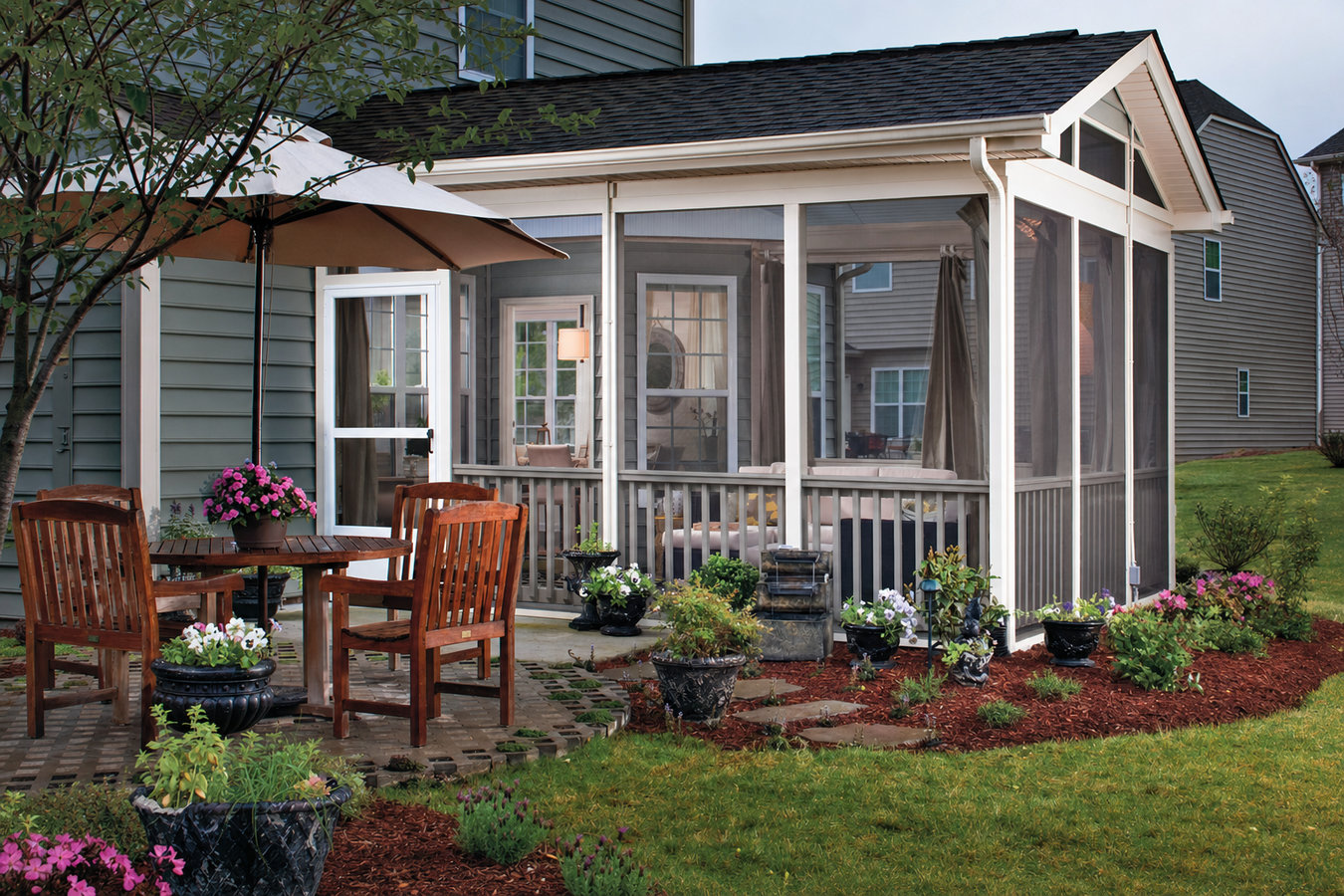
Stop surrendering your backyard to mosquitoes every summer. We build screened porches and screened decks that let you stay outside from May through September.
Screened-in porches and screened decks in State College give you an outdoor room enclosed with mesh screening that keeps insects out while letting in fresh air and natural light. Most projects take one to three weeks of active construction, whether you are retrofitting an existing deck or building a new screened structure from the ground up.
State College homeowners deal with real insect pressure from late spring through early fall. The wooded terrain around Nittany Mountain and Bald Eagle Ridge means mosquitoes and stink bugs are a seasonal fact of life here - not a minor annoyance. A screened porch is the most effective way to reclaim those warm evenings without sprays, fans, or giving up entirely. If your existing deck is showing wear, pairing a covered deck addition with new screening at the same time is often more cost-effective than tackling each project separately.
If you head inside every night once the sun drops because the mosquitoes are unbearable, a screened enclosure would change how you use your yard. State College's wooded surroundings and warm summer evenings create ideal conditions for insects. No spray or candle fully solves the problem the way a properly sealed screen room does.
Centre County is well known for stink bug season in the fall. Every time your back door opens to an unscreened yard, more get in. A screened porch creates a buffer zone between your backyard and your home's interior, so you open the back door into a sealed space instead of directly outside.
If your deck is technically there but you rarely sit on it, the reason is almost always insects, heat, or lack of shade. A deck that sits empty is a missed opportunity, especially when outdoor living is a big part of why you bought the home. Screening it in turns a surface you walk across into a room you spend time in.
If your deck boards are looking tired or the railing feels loose, that is a natural moment to think bigger. Replacing a worn deck and adding a screen enclosure at the same time is often more cost-effective than doing them separately. You end up with something genuinely new rather than just patched.
We build screened enclosures three ways: retrofitting screening onto an existing solid deck, building a brand-new screened porch from the ground up, and adding screening to an existing covered structure like a pergola or framed patio cover. Each approach suits a different situation, and we will tell you honestly which one makes sense for your property. If you are already thinking about a covered deck or patio cover, combining that project with screening in a single build often saves time and money. For homeowners considering a standalone open-air structure, pergola installation is worth looking at alongside or instead of a fully enclosed screened room.
Screening material choices affect how the finished space feels and how well it holds up. Standard fiberglass mesh is affordable and replaceable. Aluminum screen handles pets and heavy use better. Solar screen reduces glare on west- or south-facing porches. We will show you samples before we start so you can feel the difference and choose what fits your situation. Every enclosure gets a self-closing door so the screen room actually seals the way it should.
Best for homeowners with a solid existing deck who want to add screening without building a new structure from scratch.
Best for homeowners starting from scratch or replacing a deck and enclosure at the same time for a cohesive finished result.
Best for homeowners with a covered porch or pergola who want screening added to an existing framed structure.
State College sits in a valley surrounded by wooded ridgelines, and the insect pressure here from late spring through fall is genuine. Mosquitoes are a problem by early evening from May onward, and stink bug season in the fall affects every home in Centre County. A screened porch does not just make outdoor living more comfortable - it changes whether outdoor living happens at all. Homeowners across the area, from the older neighborhoods near campus to the newer subdivisions in Boalsburg and Bellefonte, consistently cite insects as the reason their existing decks go unused for most of the summer.
The other local factor that shapes how we build is snow. Centre County averages around 50 inches per year, and a screened porch roof that is not designed for that weight will show it after a couple of hard winters. We frame every roof to handle the loads this climate produces - not to what looks good in a proposal. Permits are required for this type of work throughout Centre County, and we handle that process for every project we build, whether the property is inside State College Borough, Ferguson Township, or any of the surrounding townships.
Tell us the size of your space, whether you have an existing deck, and roughly when you want to be finished. We reply within one business day and keep the first conversation short so we can schedule a site visit.
We visit your property, take measurements, and check whether your existing deck frame is solid enough to support a screen enclosure. You leave with a clear picture of what is realistic and a written estimate.
Once you sign, we submit the permit application to your local municipality - Borough or Township, whichever covers your address. You do not manage any paperwork; we track the process and let you know when approval comes through.
The crew builds the frame and roof, then installs and tensions the screen panels. The inspector confirms the work at the end, and we walk through the finished space with you before we leave.
Free estimate, no pressure. We reply within one business day and handle permits start to finish.
(814) 996-0130Every screened porch roof we build is framed to carry the snow loads this region sees - not sized down to save cost. State College averages around 50 inches of snow per year, and a structure that is not designed for that weight will show it within a few seasons.
We pull building permits for every project as a matter of course. That means an independent inspector confirms our work meets code - which protects your family and makes your home easier to sell or refinance later.
State College Deck & Fence is registered with the Pennsylvania Attorney General under the Home Improvement Consumer Protection Act. That registration gives you legal recourse if something goes wrong - a protection you do not have when hiring an unregistered contractor.
The detail that separates a good screen installation from a poor one is how the screen meets the frame and how the frame meets the house. We seal those transitions on every project so you get a space that is genuinely bug-free, not just mostly bug-free.
Registering with the Pennsylvania Attorney General and pulling permits on every project are not extra steps we charge for - they are how we operate. Combined with snow-load framing built for Centre County, the result is a screened porch that is still straight, tight, and useful ten years from now. NADRA, the primary trade association for deck builders in North America, sets the best-practice standards we follow on every screened enclosure build.
Add a permanent roof over your deck or patio to extend your outdoor season through rain and summer heat.
Learn MoreCreate a shaded outdoor structure with open-air charm - a complement to screened spaces or a standalone feature.
Learn MoreSpring fills fast in State College. Call today or send an estimate request and we will get back to you within one business day - no obligation.